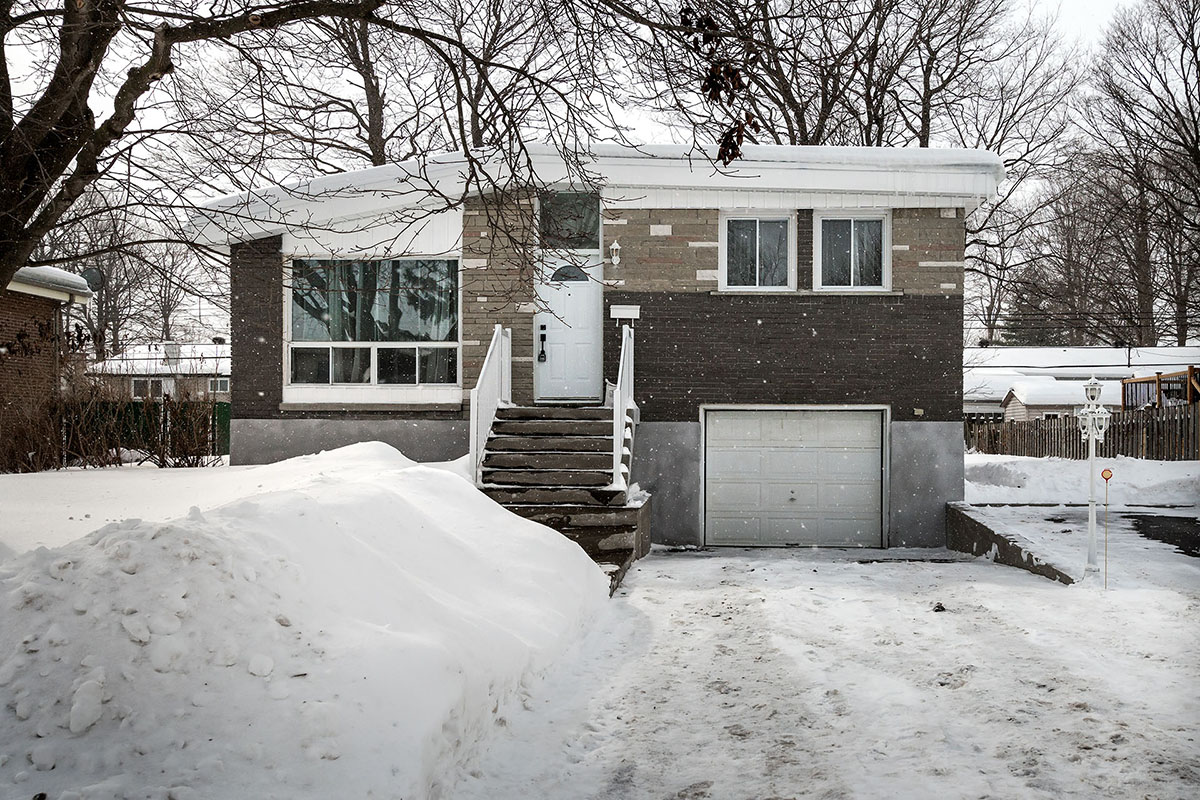
In the GTA, late winter can be deceptive. The temperature hovers around freezing, snow starts melting during the day, and everything looks manageable — until you notice a damp smell in the basement, a dark patch on the wall, or a small wet spot along the floor edge.
Snowmelt in Toronto, Milton and Brampton
Homeowners in Toronto and nearby areas like Milton and Brampton often start seeing these issues right now, during snowmelt. And they matter because snowmelt is usually the early warning — the “test run” — before the heavier, more consistent moisture of a rainy spring arrives. If your basement is showing weakness in late winter, spring will often make it worse.
Water in the basement after snow melts
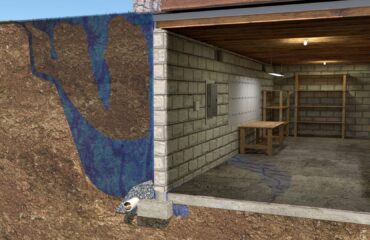
What’s happening outside is simple: melting snow releases a lot of water. But the ground is often still frozen below the surface, so water can’t drain away as easily as it should. Instead, it collects around the foundation and pushes against it. This pressure — often called hydrostatic pressure — is one of the most common reasons homeowners notice water in the basement after snow melts, even when there hasn’t been a major storm.
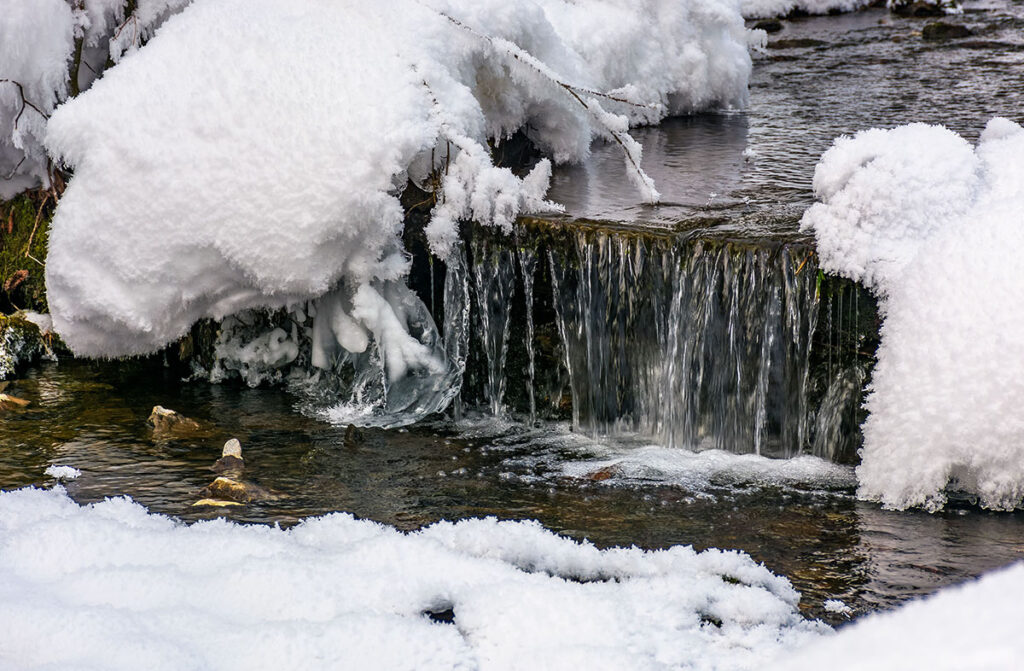
Late winter and early spring are such common times for basement leaks
Add freeze–thaw cycles to the mix, and you get another problem. As temperatures rise above zero during the day and drop below zero at night, concrete and soil expand and contract. Small cracks can widen. Older seals and membranes can fail. Joints that were “fine for years” can suddenly start letting moisture through. That’s why late winter and early spring are such common times for basement leaks across the region — from established neighbourhoods in Toronto and Mississauga to Oakville and Hamilton.
If you’re unsure whether what you’re seeing is serious, homeowners usually notice the early stage in a few predictable ways:
- A musty odour or basement air that feels damp and heavy
- Damp patches on walls, or white chalky residue on concrete
- Water near the floor edges after melting or rain
- Visible cracks in the basement walls or floor
The mistake many people make is waiting until spring, assuming it’s only a temporary winter issue. But once spring arrives, you typically get a stronger combination: more rainfall, more saturated soil, and longer periods where the ground holds water. That’s when small leaks can turn into repeated seepage, damaged finishes, mould growth, and more costly repairs — especially if the basement is finished or used regularly.
Fixing basement leaks in good time
Fixing the problem early is not about panic. It’s about timing. When you address moisture issues at the first signs, you’re usually dealing with a smaller scope: sealing cracks before they widen, improving drainage before water builds up, or installing the right waterproofing solution before the season with the highest water load begins.
Depending on the cause of the moisture, solutions can range from interior drainage and sump systems to exterior waterproofing and crack repairs. The key is identifying the source of the water — not just drying the basement and hoping it doesn’t come back.
If your basement is showing any signs of moisture during snowmelt, treat it as a signal to prepare for spring. A dry basement isn’t just a comfort issue — it protects your home’s structure and long-term value.
Prime Waterproofing Solutions
Prime Waterproofing provides basement waterproofing, foundation crack repair, and drainage solutions across Toronto and the GTA. If you’re noticing early leakage now, we can assess the situation and recommend the right fix before spring rain puts more pressure on your foundation.
Contact Prime Waterproofing for a free estimate and get ahead of spring before small problems grow.