Choosing the Right Shield
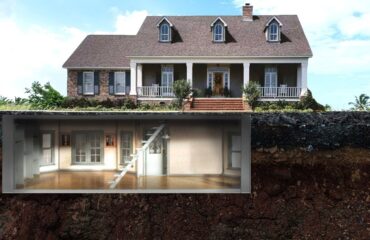
A dry and comfortable basement is a valuable asset to any home, but achieving that requires proper waterproofing. When it comes to basement waterproofing, there are two main approaches: internal and external waterproofing. Each method serves a distinct purpose and offers specific advantages. In this blog post, we’ll explore the key differences between internal and external basement waterproofing to help you make an informed decision about which method is suitable for your home.
Internal Basement Waterproofing
Internal basement waterproofing is a popular method that involves addressing moisture and water intrusion issues from inside the basement. Internal basement waterproofing focuses on managing water that has already entered your basement. It typically consists of the installation of drainage systems, sump pumps, and moisture barriers on the interior of the basement walls and floor. Here are some key aspects to consider:
1. Interior Drainage Systems
Internal waterproofing often includes installing interior drainage systems like sump pumps and French drains. These systems collect and redirect water away from the basement, preventing moisture from accumulating on the interior surfaces.
2. Vapor Barriers and Sealants
Waterproofing experts may apply vapor barriers and sealants to the interior walls and floors to prevent water vapor from penetrating and causing issues like mold or mildew growth. They can be especially effective in controlling humidity levels.
3. Sump Pumps:
A sump pump is a crucial component of internal waterproofing. It collects water accumulating in a sump pit and pumps it away from your home to prevent flooding.
External Basement Waterproofing
External basement waterproofing, on the other hand, focuses on preventing water from entering the basement in the first place. This approach involves excavation around the exterior of your home’s foundation to install barriers and drainage systems. External basement waterproofing is a comprehensive approach that addresses water intrusion from the outside of the foundation. Here are some key aspects of such a solution:
1. Excavation and Waterproof Membranes
The process involves excavating the perimeter of the foundation and applying waterproof membranes or coatings to the exterior walls. Waterproof membranes, often made of asphalt or specialized coatings, are applied to the exterior foundation walls to create a barrier that prevents water from reaching the foundation.
2. Improved Structural Protection
External waterproofing provides enhanced protection to the foundation structure, reducing the risk of structural damage caused by water penetration.
3. Foundation Repair
During the excavation process, any existing cracks or weaknesses in the foundation can be identified and repaired to prevent future water infiltration.
Wondering what is the right solution for your home?
The choice between internal and external basement waterproofing considers the specific needs of your home, including the local climate, soil type, and existing water issues. Determining which waterproofing method is most suitable also depends on:
- Budget: If you have budget constraints, internal waterproofing may be the more feasible option.
- The severity of the Issue: For severe water intrusion problems or when structural damage is a concern, external waterproofing is often the better choice.
- Preventive vs. Remedial: Internal waterproofing can be a suitable solution for preventative measures or when addressing minor moisture issues. External waterproofing is recommended for more comprehensive protection.
- Combination Approach: In some cases, a combination of internal and external waterproofing may be recommended for maximum protection against water damage.
- Consult a Professional: It’s always advisable to consult with a waterproofing professional who can assess your specific situation and recommend the most appropriate solution.
Both internal and external basement waterproofing methods offer practical solutions for safeguarding your home against water damage. Ultimately, the best approach depends on your specific circumstances and the unique characteristics of your property. While internal waterproofing can be cost-effective and provide adequate moisture management, external waterproofing offers robust protection against water intrusion and structural damage.
Consulting with a professional waterproofing contractor can provide valuable insights and help you make an informed decision to ensure the longevity and integrity of your home’s foundation. Contact Prime Waterproofing now if you are looking for a professional waterproofing service around Toronto and the GTA area at affordable prices.